


Technology
Industrial robot installations: China continues to dominate the global market
Read more


I track China's semiconductor landscape, particularly the local supplier ecosystem and the capabilities of specific chip categories. On the policy side, I follow both the big national frameworks, like the 15th Five-Year Plan, and local implementation: industrial parks, funding programs, etc. And then alongside that, I monitor new products from Chinese suppliers, what they claim, what their roadmaps look like, and how credible those roadmaps are.
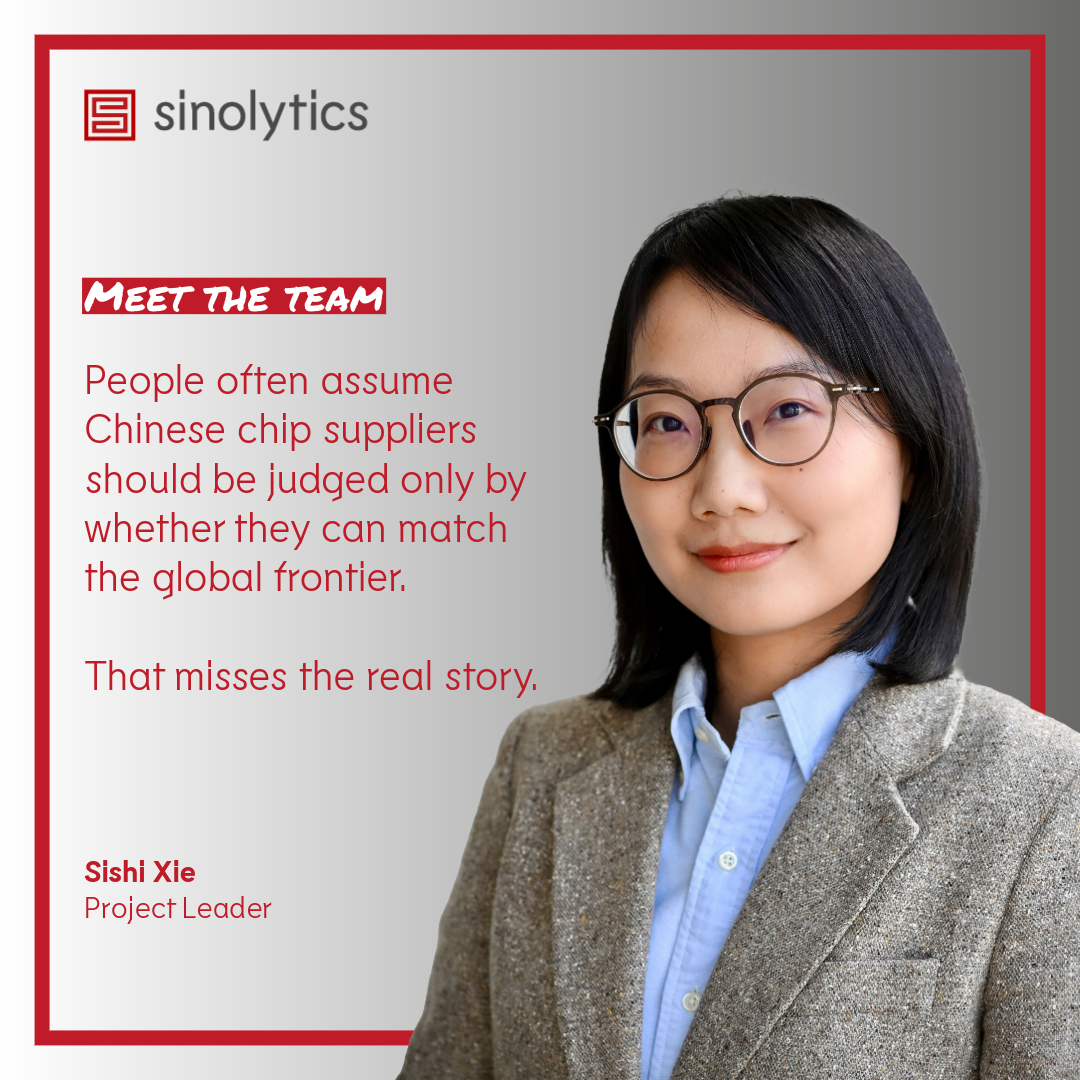
Yes, people often assume Chinese chip suppliers should be judged only by whether they can match the global frontier. That misses the real story. The sector’s progress is much more selective: Chinese firms are becoming increasingly competitive in some mature-node and niche segments, even though they still face major constraints in leading-edge technologies.
It's still very fragmented compared to the U.S. or Europe. In the West, you have a relatively small number of dominant players. In China, there are hundreds of companies across the supply chain, the industry is still developing, and some consolidation will likely happen over the next decade.
Part of the reason for that fragmentation is the self-sufficiency drive of the Chinese government. Semiconductors are seen as a strategic priority, and there is a lot of both public and private capital flowing into the sector. Because there is so much ground to cover, many areas are still at an early stage. That creates complexity, but also a need for ongoing, close monitoring. Things move fast here. Twelve to eighteen months can already feel like a long cycle.
You need a broad set of sources. We use policy documents and news reporting, but also Chinese social media, blogs, and industry communities, not places people usually associate with industry intelligence, but where a lot of practitioners share real observations. The diversity of sources matters, but so does the judgment to know what is credible and what is noise. What I find most valuable is tracking things over time: you can only recognize what has changed if you have been watching consistently. That continuity is what lets you say: this is different from last year, and here is why it matters.
The role of policy interpretation. Chinese industrial policy requires its own specific expertise. Knowing how to read a Five-Year Plan, understand how it gets implemented at the local level, and connect those signals to what is actually happening in the market, that is a distinct skill set that goes beyond technology knowledge alone. Bridging that gap is a lot of what we do.

